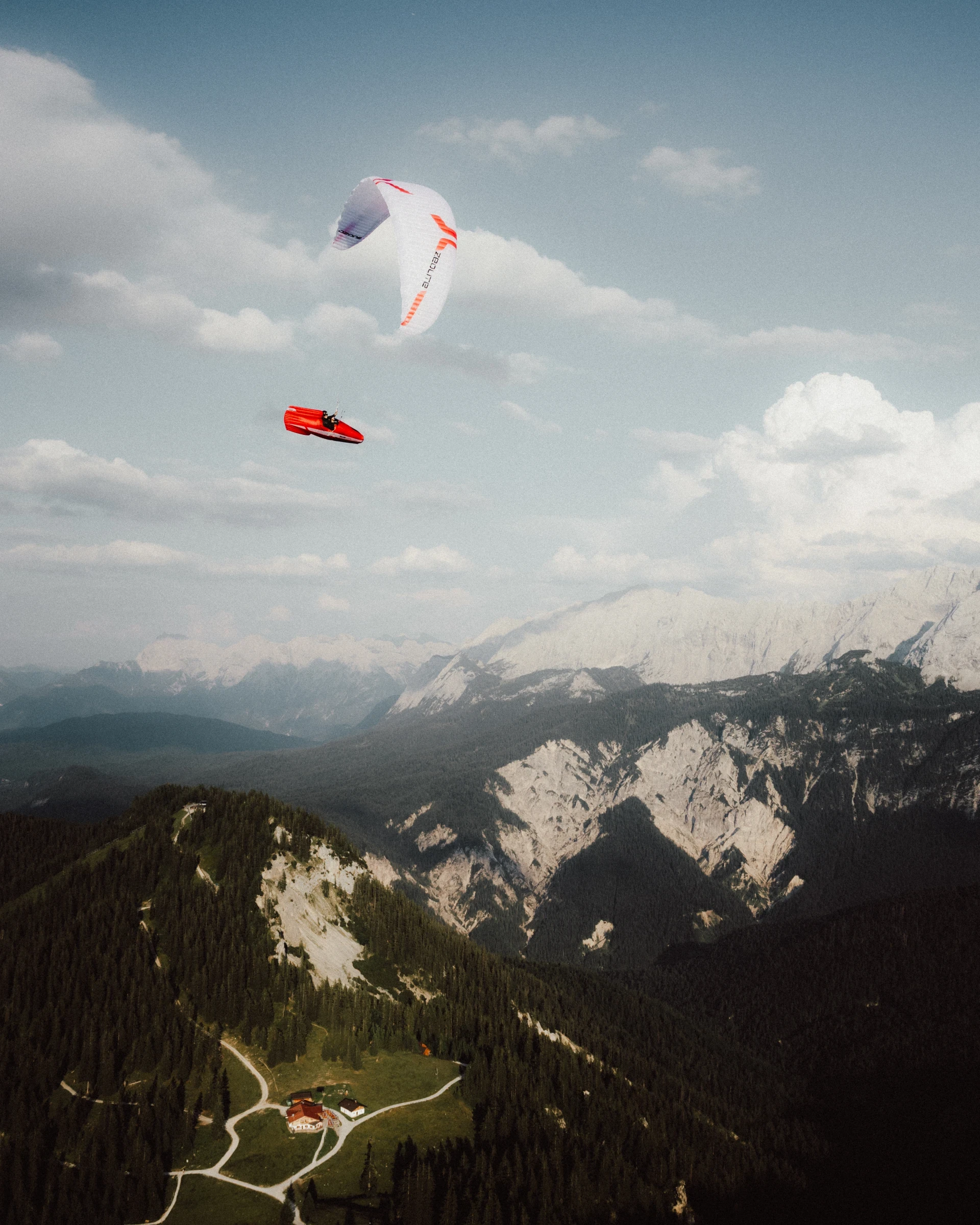
Celine Lorenz flying her paraglider

YouTube for athletes: why Celine's channel works

September 11, 2026

Before Celine uploaded her first video, she had just under 100 subscribers. Four weeks and three videos later, she has almost 700, and her best video is close to 13,000 views. That's not chance, and it's not luck. In this post we share what we did to build her channel, what YouTube costs athletes and when it's really worth it.

Key takeaways

  • Celine Lorenz had just under 100 subscribers before her first YouTube video. Four weeks and three videos later, she has almost 700.

  • Her best video has around 13,000 views, nearly twenty times her subscriber count.

  • YouTube pays off for athletes when they can show something people wouldn't see without them.

  • A steady rhythm beats a burst of uploads. One video every two weeks is a good pace.

  • Production costs money. We see it as a business risk, not just an expense.

How we got here

The question athletes ask us most often isn't whether YouTube works. It's whether it works for them.

Our answer always comes down to one thing: what can you show that wouldn't exist without you?

That's where most channels fail. If you upload what your discipline has already seen a hundred times, of course you'll get fewer clicks. YouTube isn't a place where reach happens just because you're there. It happens because someone wants to see something they can't get anywhere else.

Celine flies paragliders. She launches from the mountain at sunrise, explains how she reads the weather and takes you up into the air with her. That's material that fizzles out in a 20-second Reel but carries a YouTube video.

What the numbers say after four weeks

As of today, there are three long-form videos online, published roughly two weeks apart.

  • “Why do I fly?”, 5:33 minutes, around 6,700 views

  • “Sunrise Hike & Fly”, 13:01 minutes, around 13,000 views

  • “Come Fly With Me”, 8:48 minutes, only recently published, around 5,300 views

The interesting number isn't the subscriber count, it's the ratio. Before her first upload, Celine had just under 100 subscribers. Today she has almost 700. Her best video has nearly twenty times that in views.

So the algorithm is showing the videos to people who didn't know Celine before. That's exactly what YouTube is good at, and exactly what Instagram doesn't do in this way.

What can YouTube do that Instagram can't?

YouTube gives you time. On Instagram you have a few seconds. On YouTube, someone chooses to watch you for thirteen minutes.

That completely changes how people see an athlete. After thirteen minutes, you know how she talks, how she thinks, how she deals with doubt and why she does all this in the first place. That's a depth no photo can match. A personal brand doesn't come from people seeing you often. It comes from people knowing you.

Why YouTube is more interesting for sponsors than a post

A logo on a picture is a logo on a picture. In a video, a brand can be part of the story: why this material, why this region, what difference it makes in everyday life. That's more honest, and it sticks.

What matters is that both sides know what's been agreed. It doesn't have to be in a contract right away. But if you bring partners in, clarify up front what will be shown, in what form and how often. Otherwise you end up with either friction or a video that looks like an ad. You don't want either.

What does a YouTube channel cost athletes?

To be completely open: a videographer costs money, and shoot days cost time. For most athletes, it's a loss-making venture at first.

We still see it as a business risk rather than just an expense. If you want to grow, at some point you have to invest before anything comes back. If you wait for a sponsor to pay for production, you'll usually wait a long time, because without a channel there's nothing to pay for.

What we're taking away from the first few weeks

The person behind the camera matters. You can see the mood of the shoot day in the finished video. If you get along with your filmmaker off camera too, the content automatically feels more authentic. Don't just look for the best gear, look for the person you'd happily spend a whole day on the mountain with.

Quality doesn't have to be maxed out. An honest vlog works. Not every video needs a cinematic look. What it does need is a story and someone who tells it themselves.

Rhythm beats a perfect one-off. One video every two weeks is a good pace, with Shorts and community posts in between so the channel doesn't go quiet for weeks. That's the most common mistake: three videos in two weeks, then nothing for two months.

Without a plan, it won't work. You need a rough idea of which topics are coming up over the next months and when you'll shoot. With Celine, it also depends on the weather, so we plan with buffers and alternatives.

Title and thumbnail decide the click. The best video is worthless if nobody clicks on it. A clear title, an image with stopping power and a consistent style so the channel stays recognizable.

It's a long game. The first videos are rarely the strongest. If you stop after four uploads, all you've done is spend money. Sticking with it really is half the battle.
Frequently asked questions about YouTube for athletes

Is YouTube even worth it for my sport?
Ask yourself whether you can show something people wouldn't see without you: perspective, access, knowledge, places. If so, it's worth it. If all you have are competition clips your federation already posts, probably not.

How long does it take to see results?
Honestly, there's no reliable number we could give you in good conscience. What vidIQ's analysis of millions of channels does show is something different and, in our view, more important: channels with a regular rhythm grow more reliably than channels that upload a lot but irregularly. So plan the rhythm rather than the deadline.

Should I bring sponsors in from the start?
Yes, but honestly and on a small scale. Better one brand that truly belongs to you and is visibly part of your everyday life than three logos in the credits. And in the first year, deliver more than you agreed. It pays off in the next negotiation.

About Celine Lorenz and athletes and friends

Celine Lorenz is a paraglider pilot and an athlete with athletes and friends. You'll find her channel on YouTube at @celinelorenz.

athletes and friends is our sports marketing and sponsorship agency. We build long-term partnerships between athletes and brands, with a focus on authentic storytelling, clear activations and content people actually watch. Learn more at athletes-friends.de.

back to overview